Storm Damage Mold Prevention in Plain City & Surrounding Areas
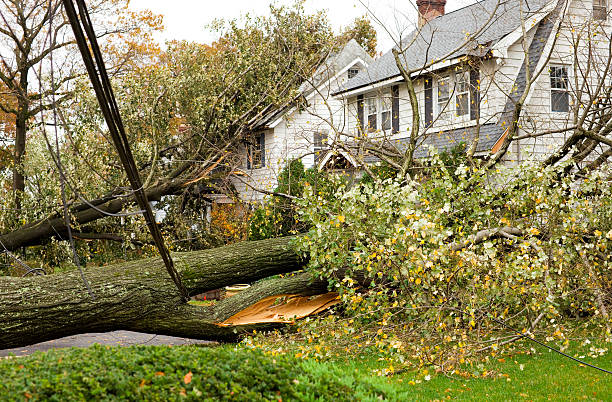
Storm damage can bring more than just visible mess to your home, because moisture can hide behind walls, under flooring, and inside insulation. In Plain City, heavy rain and strong winds can lead to leaks, damp materials, and trapped humidity that quickly turns into mold growth. The most important step is acting fast, because mold can begin forming within a short time when conditions are right. Even if the damage looks small, water can travel through cracks and settle in areas you can’t easily see. Proper airflow, dehumidifying, and careful inspection can make a major difference in preventing future issues. It’s also important to watch for warning signs like musty odors, peeling paint, bubbling drywall, or allergy-like symptoms. When storm damage is handled correctly from the start, you can protect your home’s structure, improve indoor air quality, and avoid costly repairs later.
How does storm damage lead to mold growth inside a home?
Storm damage can create openings that allow water to seep into the structure through small cracks and weak points. Once moisture gets into insulation, drywall, or wood framing, it can stay trapped and begin forming mold. Even small leaks can cause serious problems if they are ignored. Many homeowners schedule Roof Repair & Maintenance quickly to stop moisture intrusion early.
What are the first warning signs that mold may be developing after a storm?
Musty odors, new stains on ceilings or walls, peeling paint, and increased allergy symptoms are common early signs. You may also notice dampness in the attic or around windows. Mold can grow behind surfaces, so visible signs are not always immediate. Early inspection helps catch problems before they spread.
Why is quick drying and ventilation important after storm-related leaks?
Drying prevents moisture from staying trapped in hidden spaces like wall cavities and insulation. Proper ventilation helps reduce humidity levels that support mold growth. If water remains for too long, mold can form and spread rapidly. Quick action can prevent costly restoration later.
How can a damaged roof increase long-term moisture problems?
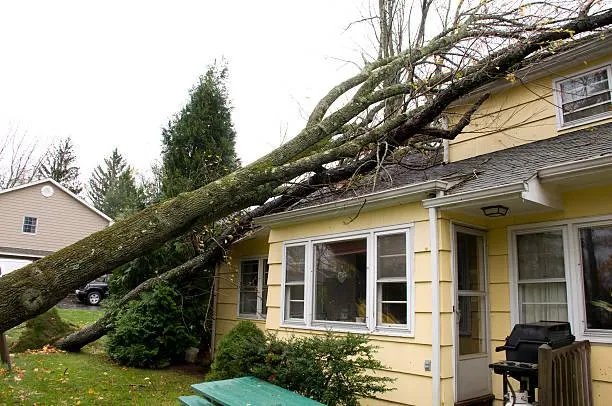
A damaged roof may allow repeated water intrusion during future rainstorms. Over time, this can weaken wood framing, ruin insulation, and create ongoing mold risk. Small problems often grow into major repairs when not handled early. Many homeowners consider Roof Replacement when storm damage is widespread or recurring.
Can siding damage cause mold even if the roof looks fine?
Yes, siding damage can allow wind-driven rain to enter behind the exterior walls. Moisture trapped behind siding can lead to mold, wood rot, and structural weakening. The issue may remain hidden until it becomes severe. Many homeowners schedule Siding Repair to restore protection and prevent interior moisture buildup.
What areas of the home are most likely to hide storm moisture?
Attics, crawl spaces, basements, wall cavities, and areas around windows are common places where moisture can stay hidden. Insulation can absorb water and hold it without obvious signs. This is why inspections are important after severe weather. Checking these areas early can prevent mold problems.
How do professional inspections help prevent mold after storm damage?
Professionals know where to look for hidden moisture and can identify damage that homeowners might miss. They can also recommend repairs that restore the home’s protective barrier. Early detection reduces repair costs and limits mold risk. A proper inspection supports faster, more effective prevention.
When should homeowners consider full exterior upgrades after storm damage?
If damage is widespread or repeated, upgrading exterior materials may be the best long-term solution. Stronger protection reduces future leaks and helps prevent moisture-related issues. This can also improve energy efficiency and curb appeal. Many homeowners choose Siding Replacement when storm damage has compromised large sections of the exterior.
How can proper installation reduce future storm damage risks?
Proper installation ensures that roofing and siding materials are sealed correctly and designed to handle harsh weather. Poor installation can create weak points where water enters easily. Quality workmanship improves durability and long-term protection. Many homeowners rely on Roofing Installation to strengthen the home’s defense against storms.
What should homeowners do right after a storm to reduce mold risk?
Homeowners should inspect for leaks, remove standing water, and dry affected areas as quickly as possible. If damage is suspected, contacting professionals early helps prevent hidden moisture from spreading. Taking photos and documenting damage can also help with insurance claims. Fast action is the best defense against mold.
How can routine maintenance help prevent mold during storm season?
Routine maintenance helps identify small issues like loose shingles, damaged flashing, or worn siding seals before storms make them worse. Preventive care keeps water out and reduces emergency repair needs. Regular checks are especially important before and after severe weather. A maintained home is less likely to experience mold issues.
Final Thought
Storm damage mold prevention in Plain City starts with fast action, proper drying, and restoring your home’s protective exterior barrier. Mold can grow quickly when moisture stays trapped, so early inspections and repairs make a major difference. Addressing roof and siding damage right away helps stop leaks, reduce long-term repair costs, and protect indoor air quality. With the right prevention plan, homeowners can recover from storms confidently and keep their homes safe, dry, and healthy.
How soon can mold start growing after storm damage?
Mold can begin growing within 24 to 48 hours if moisture remains. Quick drying and repairs help prevent it.
Do small roof leaks really cause mold problems?
Yes, even small leaks can create hidden moisture inside walls or insulation. Over time, this can lead to mold growth.
Should I call a professional after storm damage even if I don’t see leaks?
Yes, hidden damage is common after storms. A professional inspection can catch problems early.
Can damaged siding cause mold inside walls?
Yes, water can enter behind siding and stay trapped. This can lead to mold and wood rot over time.
What is the best way to prevent mold after storm damage?
Dry the area fast, improve ventilation, and repair the exterior entry points. Early action is the most effective prevention.
Address: 7350 Industrial Parkway, Suite J, Plain City, OH 43064
Phone: (380) 268-3128
Email: [email protected]