Signs Your Roof Needs Immediate Repair or Replacement in Plain City and Surrounding Areas
A strong and well-maintained roof is essential for protecting commercial properties from environmental damage and structural issues. Over time, exposure to weather and wear can weaken roofing systems, making early detection of problems critical. For businesses operating in growing commercial zones and nearby communities, recognizing warning signs can help prevent costly damage and ensure long-term property safety.
What are the early signs of roof damage?
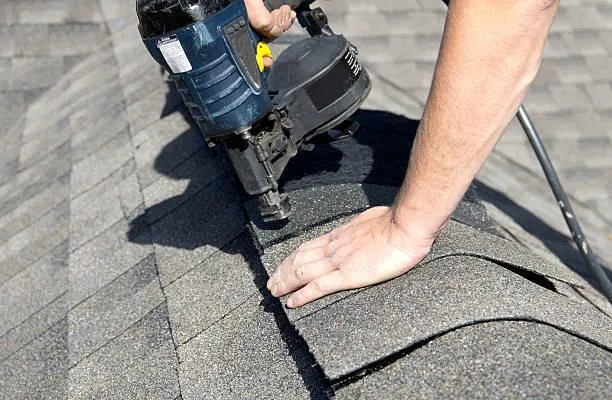
Cracked or missing shingles often indicate deterioration. Discoloration or sagging areas may also appear. These visible changes suggest the roof is weakening. Early action helps prevent further issues.
How do leaks signal urgent roof problems?
Water stains on ceilings or walls are common indicators. Persistent leaks may point to structural damage. Moisture infiltration can lead to mold growth. Prompt repairs are essential.
Can sagging areas mean structural trouble?
Yes, sagging may signal underlying support issues. It can result from prolonged water exposure. Structural weakness requires immediate attention. Ignoring it may worsen damage.
Do damaged flashing areas require repair?
Flashing protects joints and edges from water entry. When it becomes loose or corroded, leaks may develop. This compromises the roof’s integrity. Timely repair is necessary.
How does increased energy cost relate to roof health?
Poor insulation from roof damage can affect temperature control. This leads to higher energy usage. Efficiency drops as gaps allow air exchange. Repairing the roof improves performance.
Can mold or mildew indicate roofing issues?
Moisture buildup from leaks encourages mold growth. This affects indoor air quality. Mold can spread quickly if untreated. Addressing roofing problems reduces risk.
Do granule losses signal wear?
Shingle granules protect against weather exposure. Their loss weakens the roof surface. This reduces durability. Visible granules in drainage areas may indicate aging.
How do storm impacts affect roof condition?
Severe weather can loosen or damage materials. Wind and debris may cause cracks. Even minor impacts can create vulnerabilities. Inspections after storms are important.
Can visible light through the roof indicate problems?
Light entering through the roof suggests openings. These gaps allow water and air intrusion. Structural integrity may be compromised. Immediate attention is required.
Does roof age influence repair needs?
Older roofs are more prone to deterioration. Materials naturally weaken over time. Regular inspections help assess condition. Replacement may be necessary.
Final Thoughts
Recognizing roof damage early helps businesses avoid major structural issues. Property managers in expanding commercial zones and nearby communities benefit from timely repairs or replacements. Proactive maintenance ensures safety and long-term building performance.
How often should roofs be inspected?
Regular inspections help detect early damage.
Can small leaks become serious?
Yes, untreated leaks may worsen over time.
Is mold linked to roof damage?
Moisture from leaks can encourage mold growth.
Do storms always damage roofs?
Not always, but inspections are recommended afterward.
Does roof age matter?
Older roofs typically need more attention.
Address: 7350 Industrial Parkway, Suite J, Plain City, OH 43064
Phone: (380) 268-3128
Email: [email protected]